
Did you know that users form an opinion about a website’s design in only 0.05 seconds? That instant judgment decides whether they stay to explore or leave entirely. Web design plays a defining role in how people experience and respond to content. Great design supports your message by making information clear, accessible, and visually balanced. It guides how users read, where they focus, and how they interact with your brand. When design and content marketing align, they create a unified experience that builds trust and inspires action. Here’s how effective web design brings your content strategy to life and strengthens every user interaction.
Engagement and Conversions

Engagement
Design shapes how people experience your content. A clear structure, readable fonts, and balanced spacing help users process information easily. When a page feels clean and organized, visitors stay longer and pay closer attention to your message.
Strong readability supports engagement by keeping focus where it belongs. Consistent hierarchy, effective contrast, and comfortable spacing guide the eye naturally. A thoughtful layout invites curiosity, builds trust, and helps your audience connect with your brand.
Conversions
Engagement creates interest, and design turns that interest into action. Clear calls to action such as “Get Started” or “Schedule a Consultation” show visitors exactly what to do next. Strategic placement of CTAs near product details or at the end of compelling sections keeps attention focused and prompts response.Consistent button styling and layout also increase trust. When users recognize how to interact with a site, they act with confidence. Each color, shape, and element should move visitors smoothly from information to action.
A strong example of this approach can be seen in our Madison Urban Project case study, launched in November 2015. By encouraging the client to adopt a clear call-to-action that guided visitors straight to the donation page, we achieved an 800% increase in donations. Learn more about the case study by clicking this link. https://ihconcepts.com/case-studies/
Technical Performance
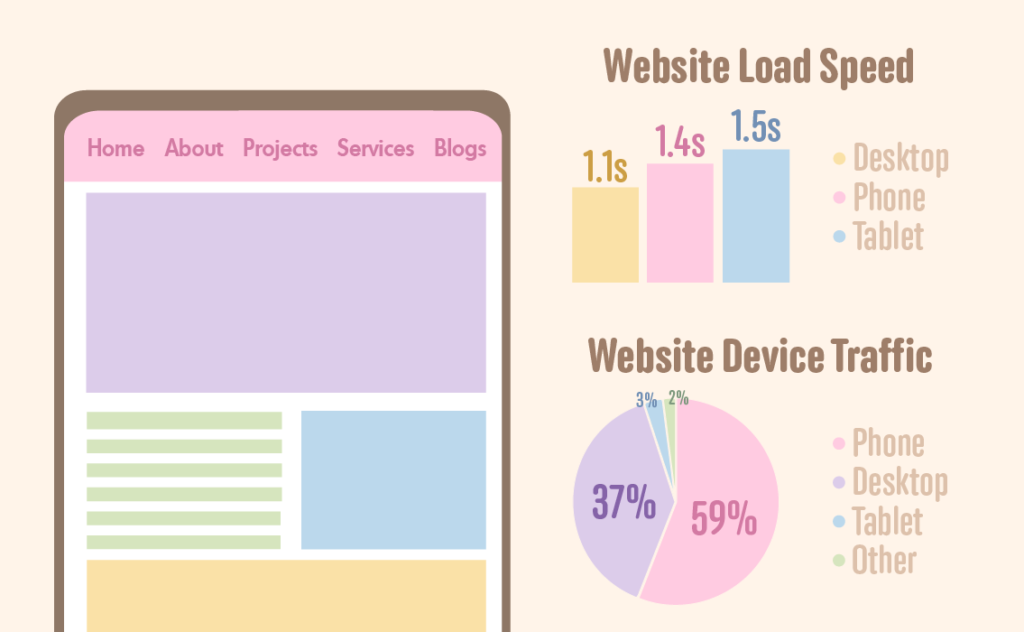
A well-performing website helps your content do its job. Fast load times and optimized images keep visitors from leaving early, while efficient coding ensures everything runs smoothly. A reliable site shows professionalism and builds trust with every click.
Technical performance also affects visibility. Clean structure, compressed media, and responsive frameworks improve search rankings and create a seamless experience across devices. A site that loads quickly and works consistently keeps users engaged and gives your content the attention it deserves.
Navigation and Accessibility

Navigation defines how visitors explore your content. Clear menus, logical categories, and accurate labels help users locate information quickly. Prioritizing important links ensures that essential pages such as “Services,” “About,” and “Contact” are easy to find.
Creating separation in your navigation also improves clarity. Group related pages, organize links by importance, and maintain consistent order across all devices. Intuitive navigation makes browsing effortless and encourages deeper exploration.
Accessibility extends that experience to everyone. Features such as keyboard navigation, descriptive alt text, and readable color contrast make your website inclusive and professional. A site designed with accessibility in mind communicates care, respect, and attention to every visitor.
Responsive Design
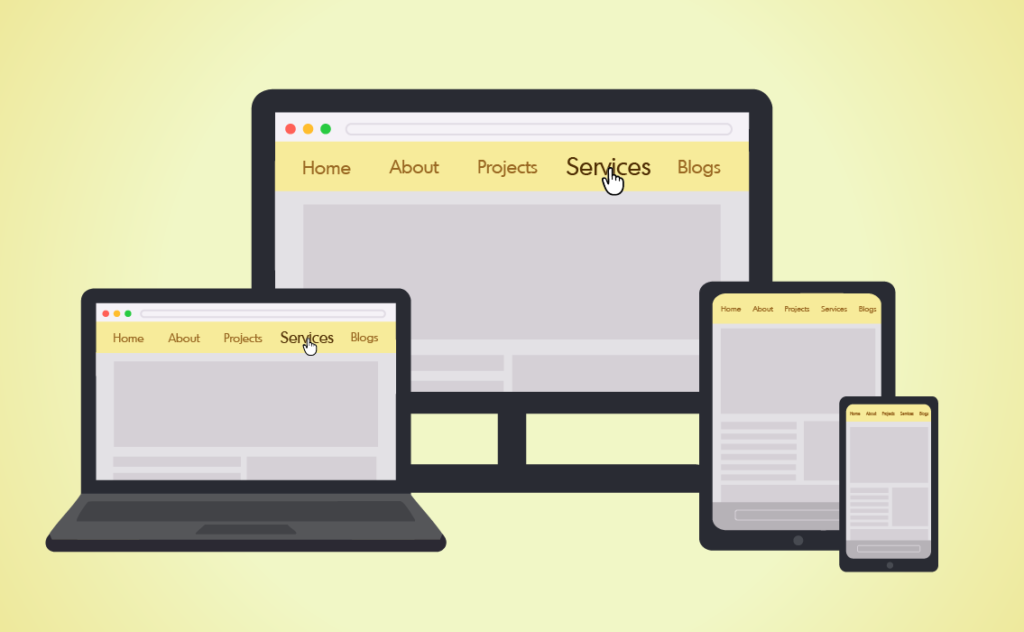
People switch between devices all the time, and your website needs to keep up. Responsive design keeps everything consistent—structure, layout, and readability—across desktops, tablets, and smartphones. Text should stay clear, images should scale properly, and navigation should feel effortless on every screen.
Mobile-friendly design makes browsing easier anywhere. Simple menus, larger buttons, and concise layouts improve usability and comfort. When your website looks and performs well on any device, it shows care, professionalism, and attention to detail.
Call to Action Placement
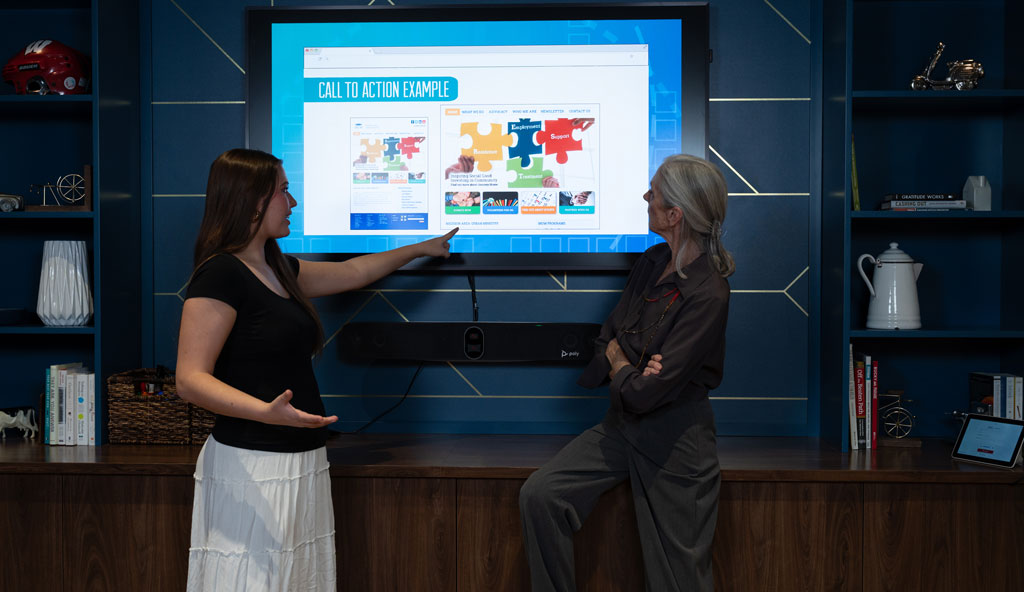
Calls to action connect content with business goals. Each page should guide users toward a specific next step such as subscribing, contacting your team, or requesting a quote. Place CTAs where they make sense in the reading flow: after product highlights, testimonials, or persuasive statements.
Design plays an essential role in CTA effectiveness. Use clear contrast, consistent colors, and concise language that motivates users to engage. When CTAs align visually and contextually with the rest of the page, they encourage confident action and measurable results.
Conclusion
A well-designed website gives your content the space to shine.
When layout, visuals, and words work together, visitors find what they need and understand why it matters. Stay consistent, stay intentional, and build with purpose, because good design helps great content do its job.
Sources
https://www.tandfonline.com/doi/abs/10.1080/01449290500330448