After doing extensive research, we at IH Concepts have found nine web design trends that we have determined will play a big role in shaping websites throughout 2026.
Join us as we dive deeper into the web design trends that are sure to be popular this year!
1. Mobile First & Performance Focused Web Design
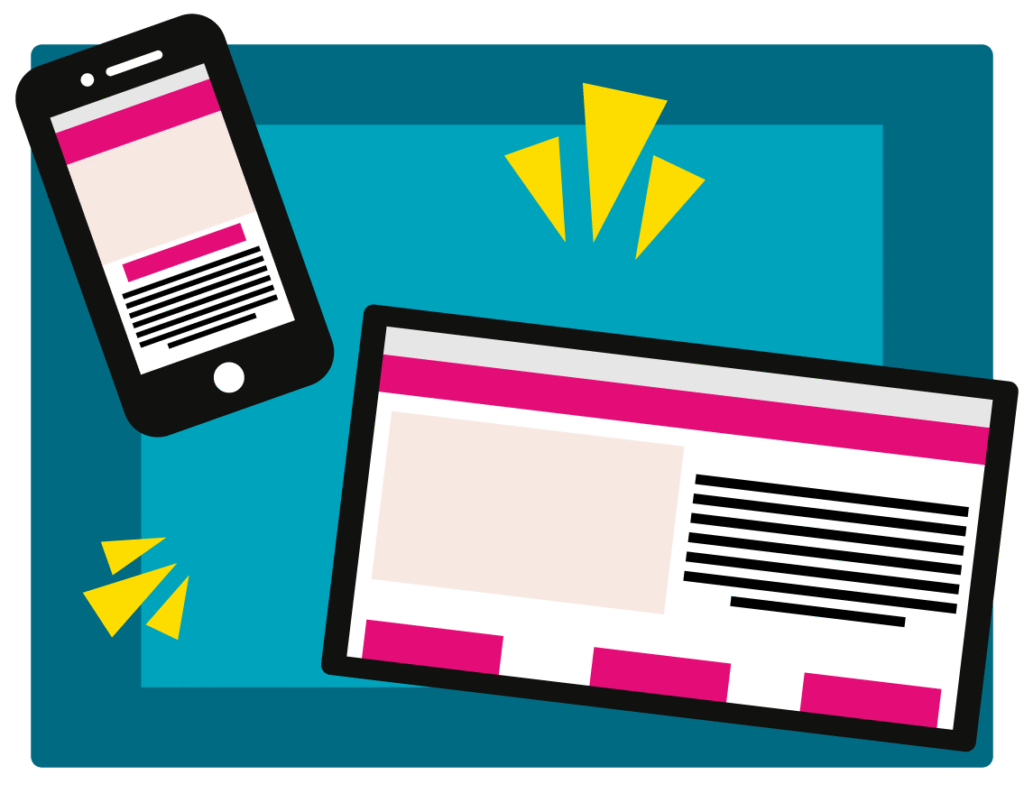
As explained by Figma, “mobile-first web design flips the traditional Web development approach. Instead of starting with a desktop layout and scaling down, you begin with mobile website design” (Figma, 2024).
At IH Concepts, we created IH5 Mobile Web Principles, because mobile experiences differ from desktop experiences.
Considering mobile design first allows for speed to be optimized, which in turn allows the site to do well on search ranking. This is crucial as websites with a higher search ranking tend to be visited more frequently than websites with lower search rankings.
In fact, Google has begun boosting mobile-friendly websites in its search rankings, which means that websites that are mobile-friendly will be prioritized in placement prior to those that are not.
2. Hyper-Personalization for the User Experience
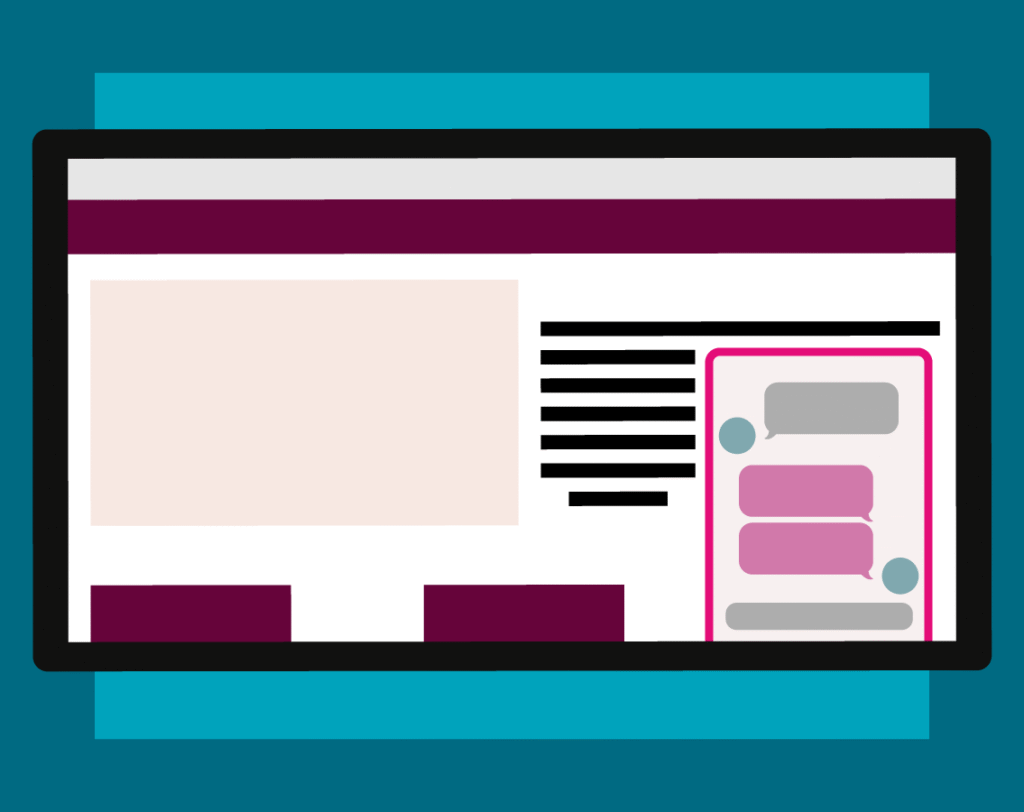
Hyper-Personalization uses technologies such as artificial intelligence (AI), generative AI, machine learning (ML) and real-time data analytics to create highly individualized customer experiences, as explained by Matthew Finio and Amanda Downie of IBM.
Hyper-personalization is now easier than ever before, not only for large corporations, such as Amazon with personalized recommendations, but also for smaller businesses as well, allowing for best possible experience for the customer.
3. Illustrated Images
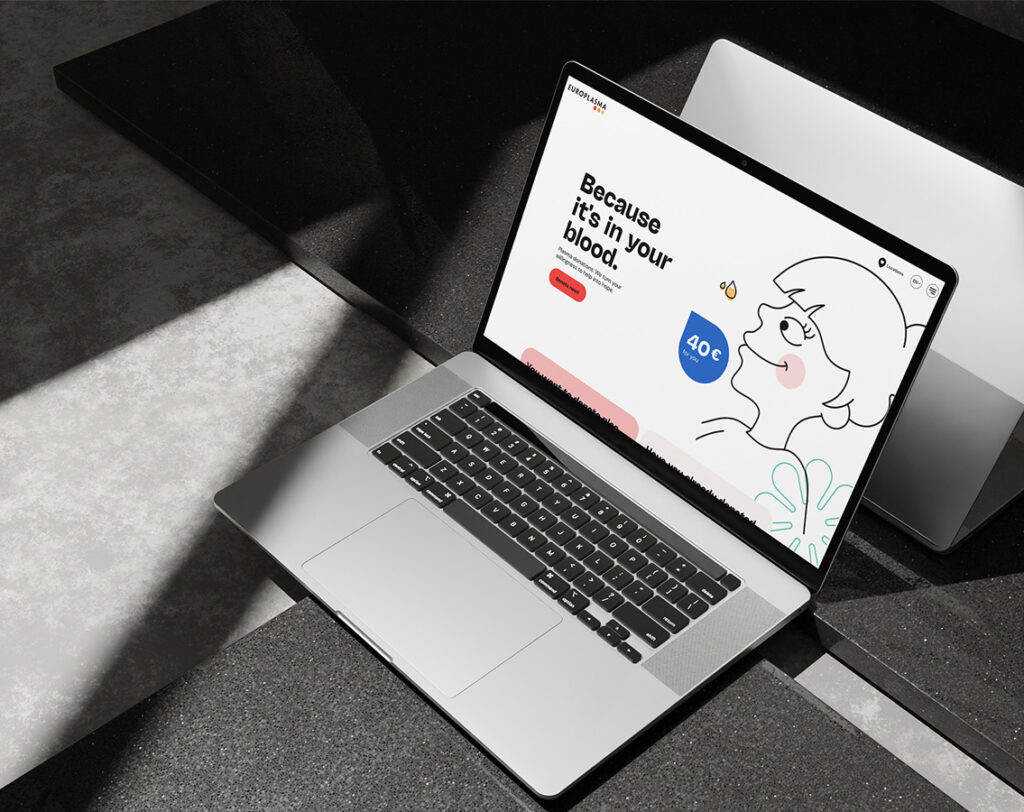
Illustrated images have become increasingly popular within the web design world. Not only do they take less file size, but they also improve performance on technical performance metrics, with one example being Google Lighthouse.
Additionally, illustrated images are appropriate for showcasing a website’s uniqueness, and set it apart from others.
Codrops dives more in-depth to more reasoning to why illustrated images are important for websites and examples on how to implement them.
With 80% of users utilizing dark mode on their phones, make sure you have this as one of your design considerations.
4. Dark & Light Mode
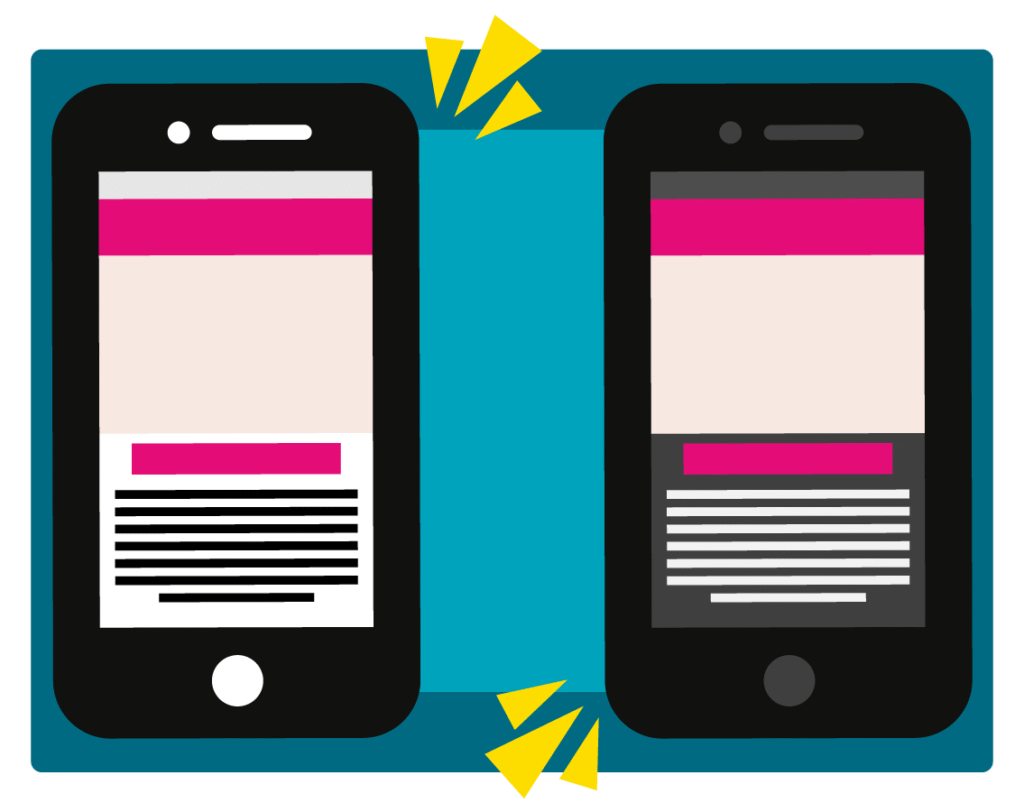
Dark & light mode websites are gaining popularity more than ever before!
Many CSS and JavaScript frameworks now include built-in support for both modes, making them easier for developers to implement, thus increasing its usage.
In a previous blog of ours, Light and Dark Mode, we discussed the importance of Dark and Light Mode, and why both are crucial for design platforms, accessibility, and comfort for users.
5. Monochromatic Website
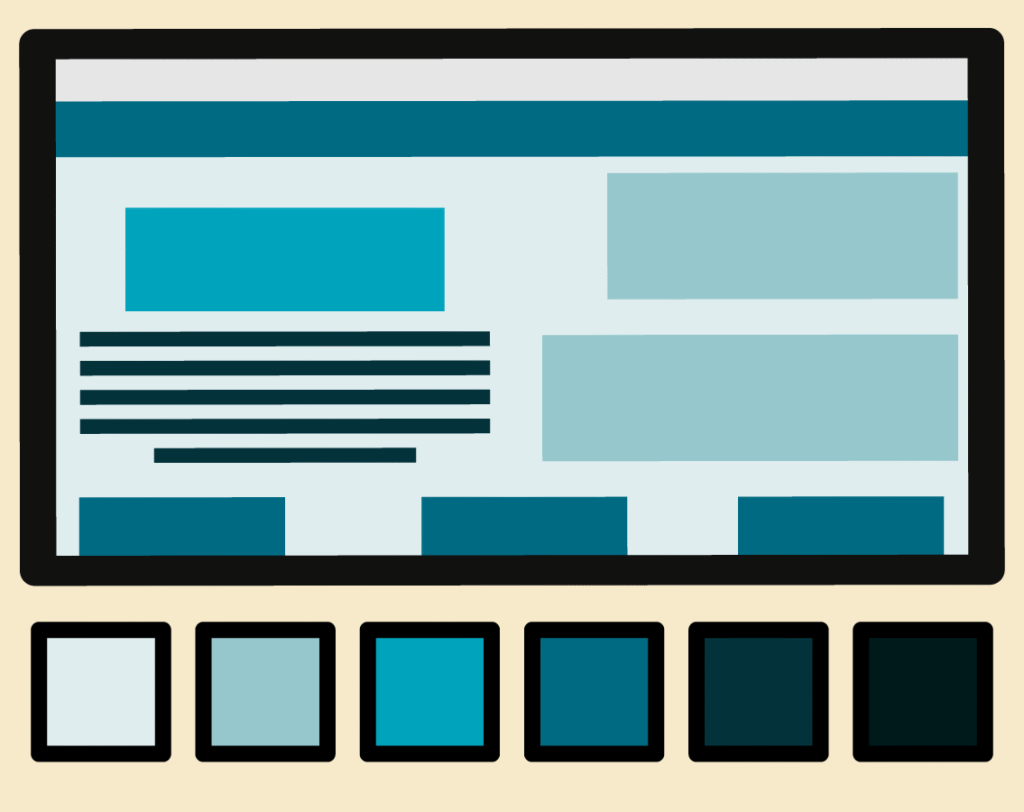
Monochromatic websites are when a website primarily uses variations of a single color. They provide cohesion and unity, strengthen a brand’s identity, connect with users’ thoughts and feelings, and simplify the color selection process (Figma, 2024).
These reasons are some of the many to why companies and creatives alike are choosing monochromatic designs.
6. Neumorphism
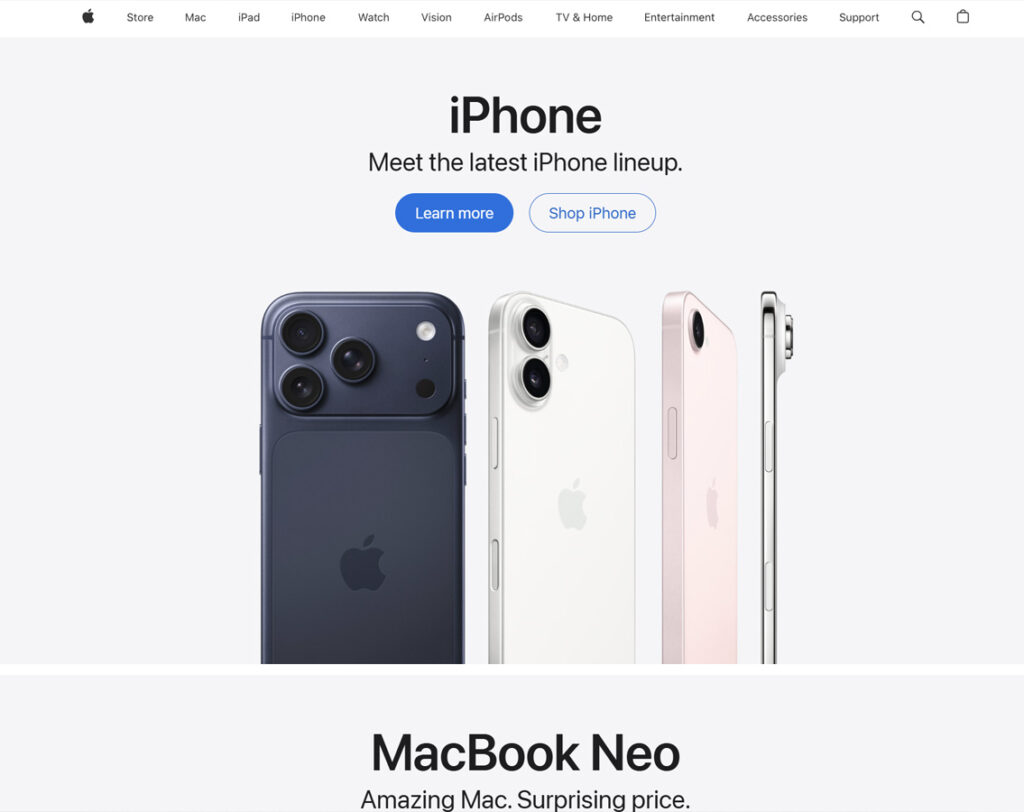
Neumorphism is a design style that blends minimalism with subtle visual depth. As described by Big Human, it is a “minimalist UI style that mimics real-world objects while maintaining a clean, digital-first look” (Big Human, 2025).
Major companies like Apple are leading the charge in implementing neumorphism designs, which have resulted in trickling down into influencing smaller companies.
7. Detailed Footers
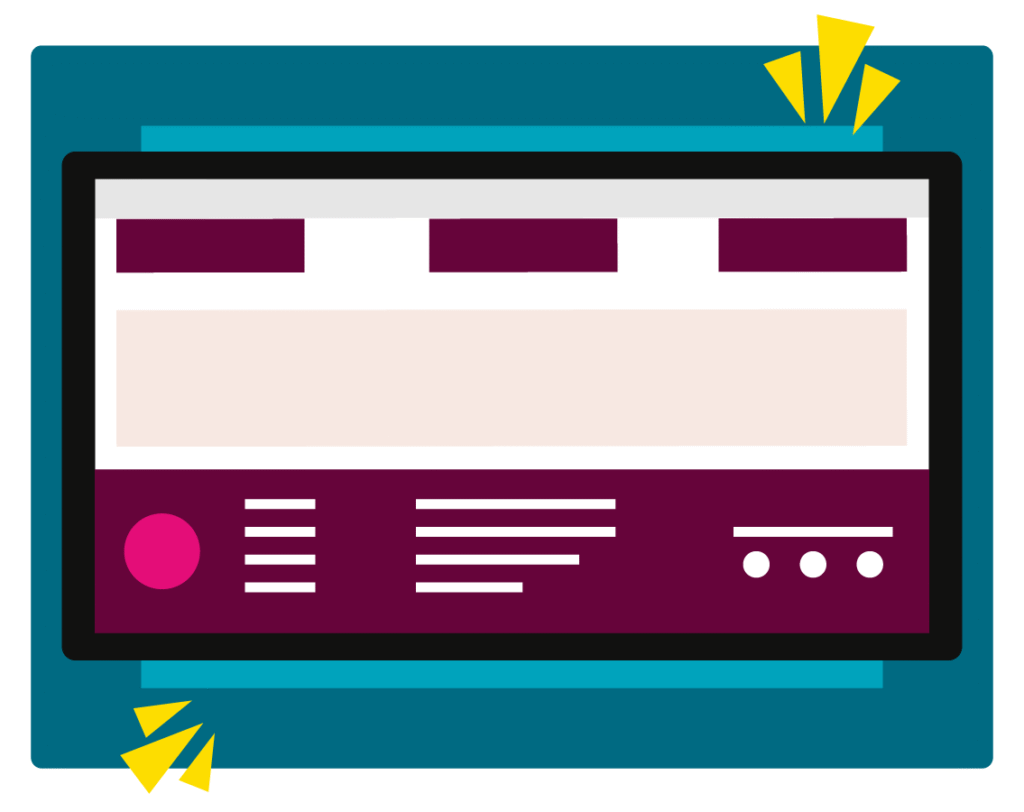
In an effort to improve SEO (search engine optimization) for AI overviews, website footers are becoming more detailed and informative. Detailed footers allow businesses to include additional navigation links, contact information, and helpful resources.
For websites, footers are vital to user experience, as familiarity, consistency, and usability are essential for a positive user experience (Khan, 2021).
8. Micro-Animations & Micro Interactions
Micro-animations, such as hovers, subtle animations, and smooth transitions allow for a website to give off an interactive “human” feel.
Simply put, these types of designs assure the user that a button has been clicked on, and that action is being taken.
9. Story Driven Web Design
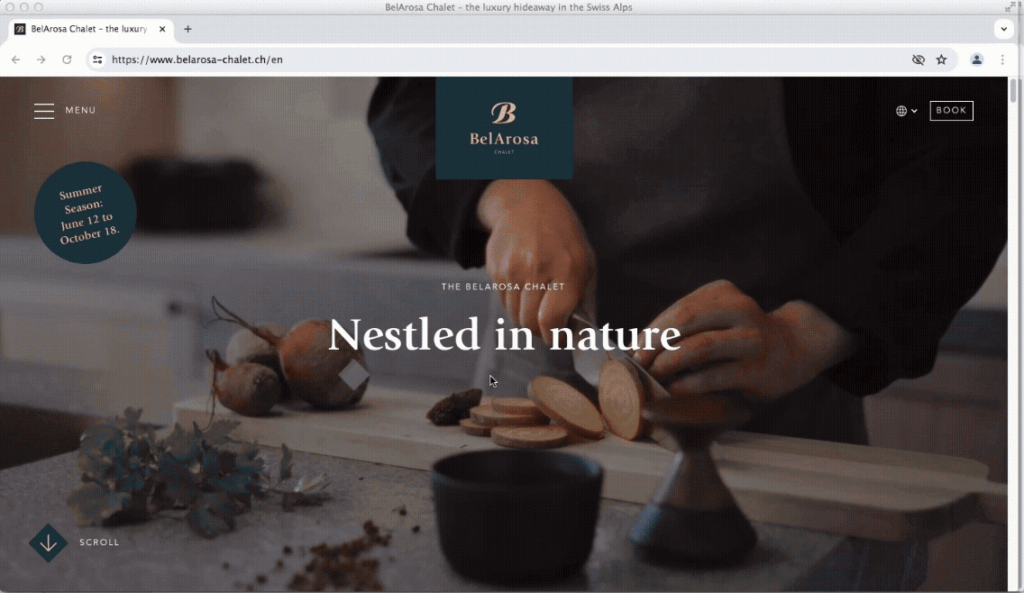
Story-driven design focuses on guiding users through an experience. Scroll triggered animations, immersive layouts, and “game like” elements are implemented to draw the user into the website.
Though occasionally annoying from the perspective of the user, this design choice draws the user in and gets them to stay and explore longer on a website.
At the heart of this message, colors communicate a message, and design choices evoke emotion.
Final Thoughts
Despite there being more web design trends that are sure to be noteworthy this upcoming year, we at IH Concepts are beyond confident in the mark these web design trends are bound to make and cannot wait to see them in use in the next upcoming year!
Sources
https://www.figma.com/resource-library/mobile-first-design
https://www.ibm.com/think/topics/hyper-personalization
https://www.bighuman.com/blog/neumorphism
https://medium.com/design-bootcamp/website-footer-best-practices-what-avoid-ed7a2481d3af