

Having a website that can “do it all” is important now more than ever. In order to be prepared to “do it all,” we at IH Concepts have found seven key points to ask and/or reflect on when evaluating one’s website design. Join us as we explore how to evaluate web design!
Why is Evaluating a Website’s Design Important?

Evaluating a website’s design is essential, as it is often a customer’s first interaction with a brand. First impressions are everything, so you want yours to be a delightful experience for the customer.
As M7 explains, by “evaluating website design, you uncover whether it drives results or just fills space. The right evaluation focuses on usability, clarity, speed, and measurable outcomes.”
All of this to say, quality web design leads to positive growth.
Understand the Purpose of the Website
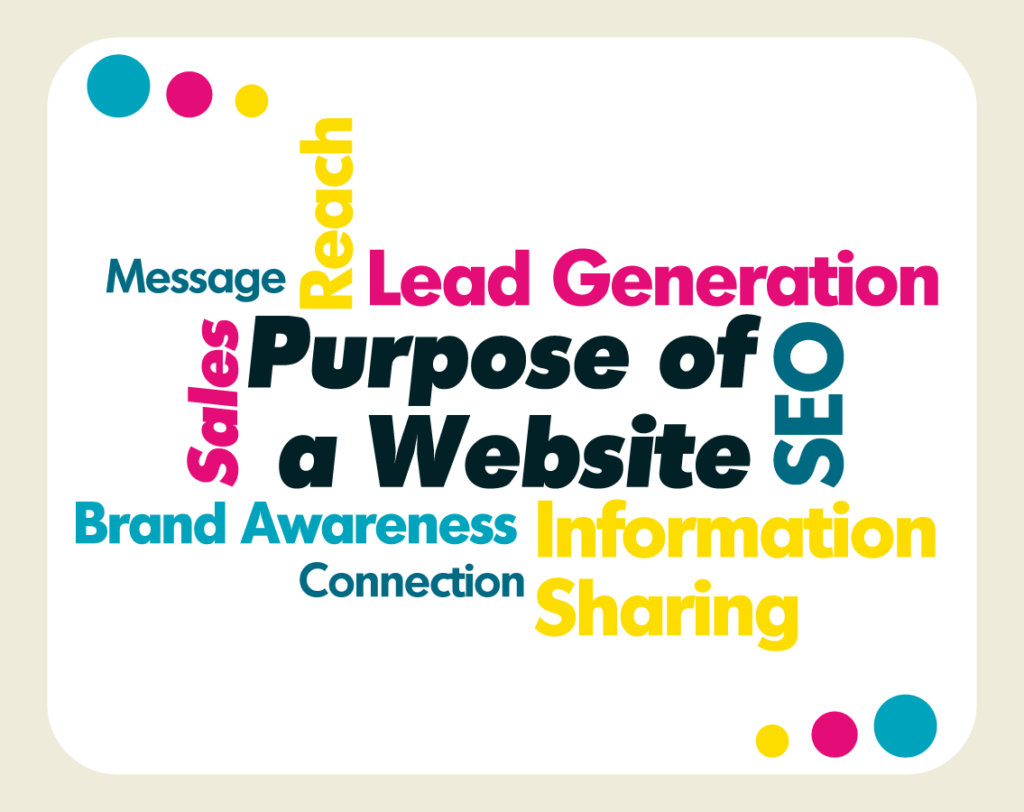
Though there are many answers to this question, Rebecca Tomasis of Wix highlights six main points on why websites are created:
1. Awareness
Allows for more individuals to discover and learn about your brand.
2. Lead Generation
Visitor information can be captured via contact forms, newsletters, and calls-to-action, thus attracting potential customers.
3. Sales
eCommerce visibility, or being able to purchase a product online, gives brands the ability to sell products online versus having to physically go to a location to shop, thus increasing sales ability and profits.
4. Information Sharing
Content, such as articles, blogs, tweets, reels, or another form of media, keep customers informed and engaged in what your brand is up to.
5. Reach
Reach allows for brands to be connected not only with local clients but those anywhere in the world.
6. Competitiveness
Having a clean, easy to navigate website increases customer likeability, and helps your brand stand out in comparison to others within the same field.
Check to see if the Value Proposition is Clear

Tim Wellman of NEXTFLY explains Value Proposition is a short statement that “explains what one’s brand does, who it serves, and the unique value it provides.”
In short, Value Proposition helps visitors better understand a brand’s purpose and what it provides.
Make Sure all Visual Elements are Consistent
Consistency is not only healthy for everyday life, but also for website design as well. In fact, “consistent branding in website design is the foundation of building a memorable identity for your business”, as outlined by Rosemary Hallmark Creative.
A brand having a consistent brand logo, color scheme, design choices, etc., helps to strengthen and create a memorable brand identity.
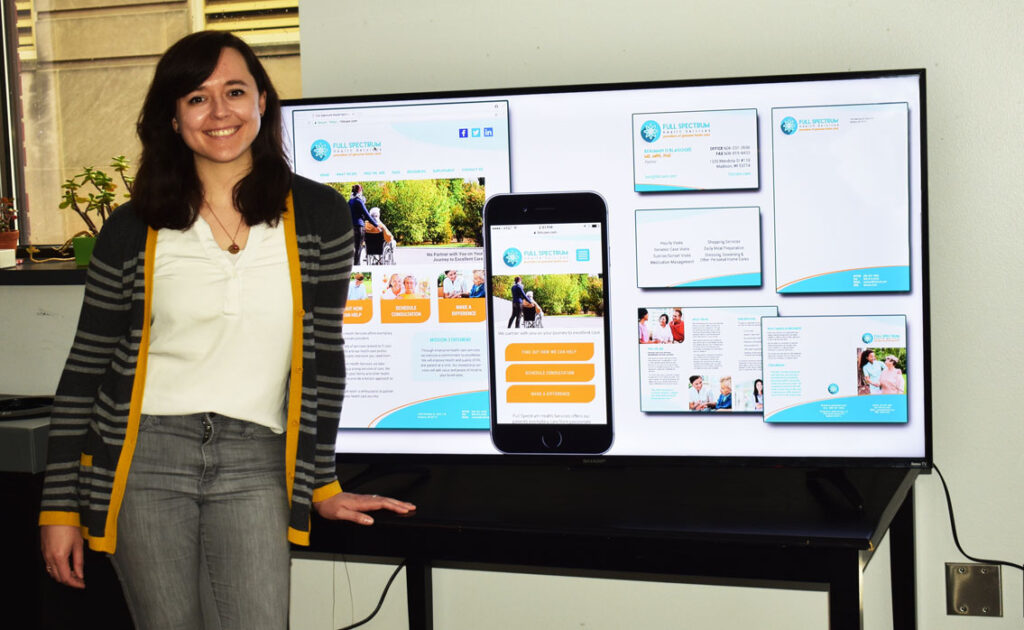
We take a consistent approach with every client. For example, when working with Full Spectrum Health Services, we made sure all marketing materials, both print and digital, are consistent with both look and feel. We apply this same level of care across all projects, including when developing new brand identity pieces.
To put more simply, consistency is key.
Test for User-Friendliness

A user-friendly website is critical for customer retention. Integritive depicts three points that show why user-friendliness is so vital.
1. Impact on Bounce Rate
Bounce Rate, or the rate people leave a website because of poor functionality, heavily influences a website’s user retention rate. If a website is difficult to use, customers will leave quicker.
2. Enhanced Accessibility
Accessibility is vital. Screen reader compatibility, keyboard navigation, and alt text for images are just a few features that improve website user experience for all.
3. Improved SEO Performance
Brands with user-friendly web design rank higher on SEO (search engine optimization) performance rankings. This means that search engines, including Google, list websites with better user-friendly web design higher, making them easier to find.
Use Conversion Rate Optimization Tools
Conversion rate optimization (CRO) can be thought of as a systematic way to refine your website to achieve better results (Full story).
Some helpful strategies include:
1. Calls-to-Action
Keep it clear, short, and action-orientated.
2. Landing Pages
Minimize distractions and highlight your brand’s purpose.
3. Page Speed
Remove any unnecessary graphics and ensure reliable website hosting.
Tools like these have a heavy impact on a brand’s success and overall bottom line.
Grade the Quality and Accessibility of Your Content
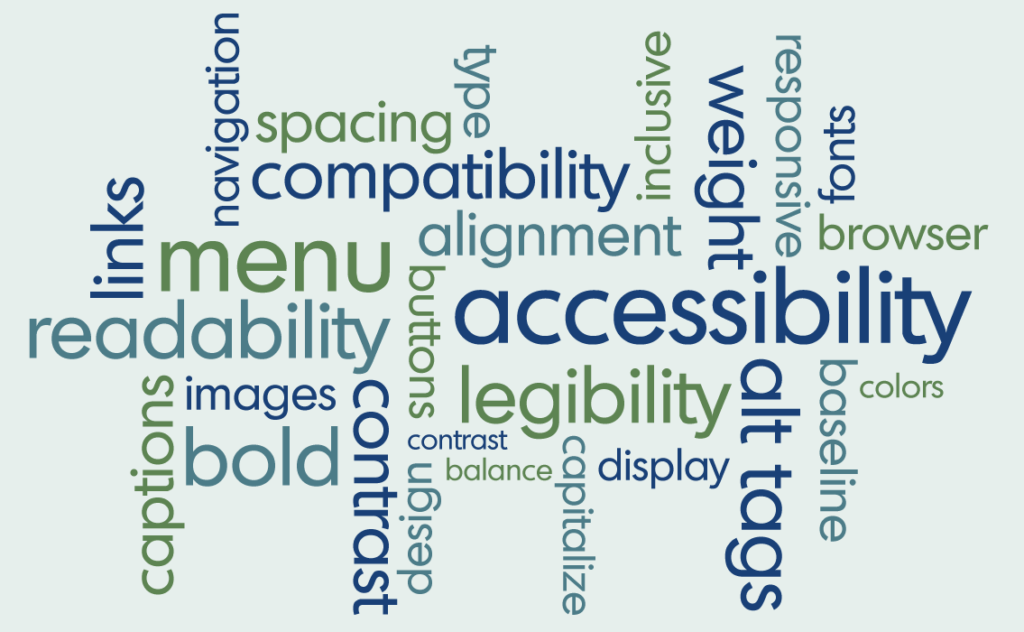
High-quality, accessible content is essential for attracting and maintaining visitors with all types of abilities.
Website Accessibility, or the practice of making websites usable by people with a wide range of disabilities, as explained by Roger West.
West further delves into how accessibility matters for several reasons:
1. Moral and Ethical Reasons
Curating inclusive content ensures usability for all.
2. Improved SEO and Search Engine Rankings
Proper headings and alt text for images, for example, have shown to improve SEO, thus boosting search rankings.
3. Enhanced Brand Reputation and Customer Loyalty
When users see that your site is accessible and thoughtful, they’re more likely to trust and support your brand.
Final Thoughts
Despite this being a lot to take in, we are confident that these key points are a great place to start when evaluating web design. Although they may be time consuming, these points will put your website on track to grow with confidence and “do it all.”
Citations
How to Evaluate a Website Design for Real Results
What is the Purpose of a Website
The Power of Consistent Branding