

As we enter the third day of Restaurant Week, we thought it was the perfect time to introduce our newest blog! Your website is one of the hardest working members of your team. It answers your customers questions, shows them the menu, places online orders, and makes reservations. In many cases, your website plays a major role in whether a guest chooses your restaurant over the competition.
Why Do You Need Web Design For A Restaurant Website?
Your restaurant’s website is one of the most important tools you have for connecting with customers online. While platforms like Facebook and Yelp are helpful for people to discover your restaurant, they should not be the only places customers can find information about your business. Your website gives you more control over how your restaurant is represented and how customers interact with you.
When people learn about your restaurant, they might look it up online to find information like the menu, location, hours, photos, and other information before deciding to visit. Your website is often one of the first impressions a potential customer has of your restaurant. The importance of a website in building credibility is supported by research from the Stanford Web Credibility Research, which found that “75% of consumers will judge a brand’s credibility based on their website design.”
A restaurant website should do more than just look good. It should make it easy for people to find information, build credibility, and lead them to take action to order from your restaurant.
What Should You Include On A Restaurant Website?
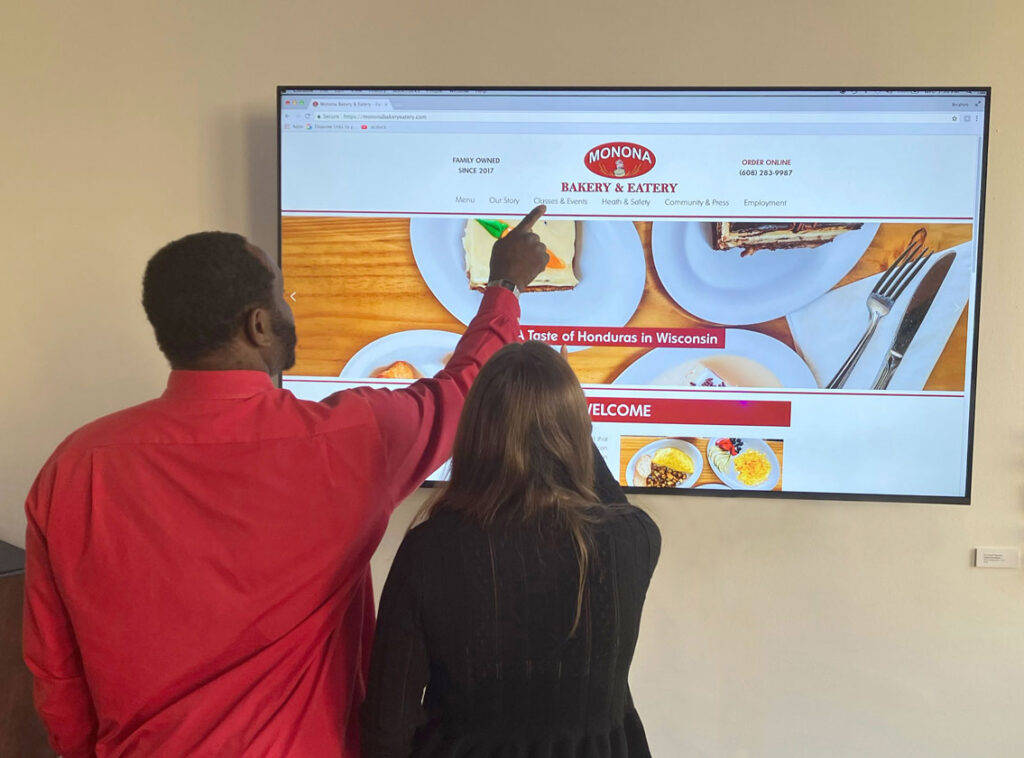
An effective restaurant website should give visitors the information they need while making it easy for them to order. The most important points of your website include business information, an updated menu, online ordering, reservations, social media, and email collection.
Your Business Information (Contact Info, Location, Hours)
Customers want to know where you are located, when you are open, and how they can contact you. Your website should clearly display your address, hours, phone number, and other important information. Brightlocal found that, “85% of consumers consider the presence of contact information and opening hours an important factor when researching local businesses.”
This information should be easy to find and up to date. If customers cannot quickly find basic information or get the wrong information this can create unnecessary frustration and potentially cause you to lose customers.
An Updated Menu
Before visiting a restaurant, many people want to look at the menu to see what you offer, how much items cost, and whether you have options that fit their preferences. In fact, Coyle Hospitality found that two-thirds of respondents said that having a restaurant menu available on a website was “very important”.
Your menu should be easy to find and regularly updated. An outdated menu can lead to confusion and create a poor customer experience.
Online Ordering
Online ordering has become an important part of the restaurant experience. Research has found that 70% of consumers prefer to order directly from businesses, compared to third parties. Direct ordering can give restaurants more control over the customer experience while creating a more seamless ordering process.
A Way To Make Reservations
If your restaurant accepts reservations, your website should make it easy for customers to reserve a table. Data from Tableau found that “Restaurants that activated “Reserve with Google” saw a median 32.3% increase in bookings.” Connecting your website and social media accounts with a reservation system makes the process simple and convenient.
Your Social Media Accounts
Your website and social media should work and be linked together. Social media allows you to engage with your audience, share updates, highlight menu items, and promote specials. According to research from Pew Research Center, 62% of U.S. adult TikTok users, 44% of Instagram users, and 37% of Facebook users use these platforms to look for product reviews or recommendations.
An Email Collection Form For Marketing
Email marketing is another way to stay connected with your customer. An email collection form allows people to sign up for updates about specials, events, new menu items, and other restaurant news to encourage customers to return to your restaurant. The American Marketing Association cites research showing that email marketing can generate an average return of $36 for every $1 spent, showing how email can be a valuable marketing tool for businesses.
How To Make A Restaurant Website
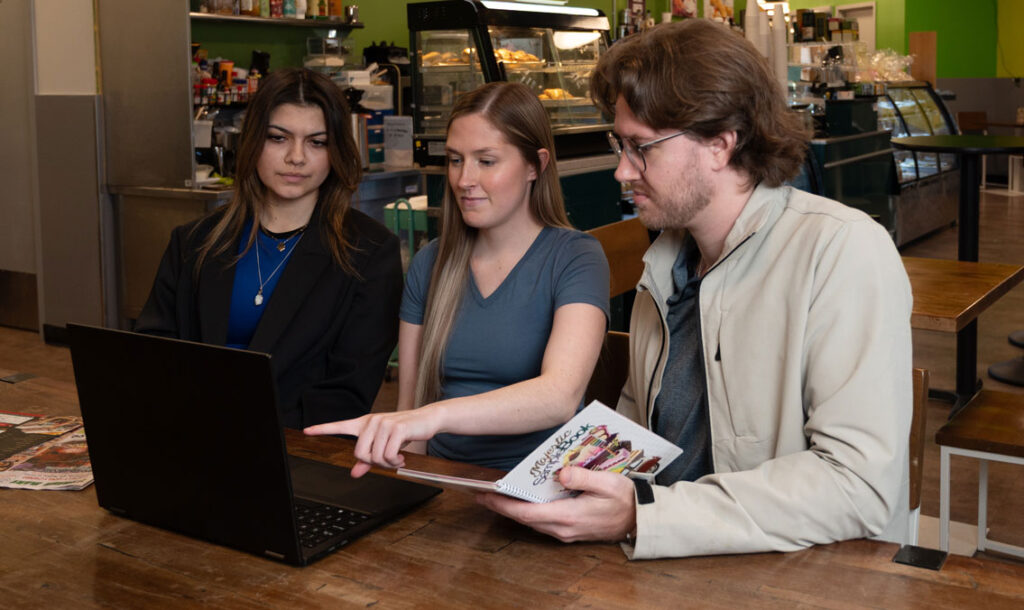
Creating an effective restaurant website starts with understanding the restaurant itself. The process should begin with a consultation to discuss your goals and audience. Visiting the restaurant can provide a better understanding of its atmosphere, customer experience, food, and brand.
Once a strategy is established, the next step is to create a wireframe to plan the website’s structure and layout. The site then moves into development, where important systems, such as online ordering and point-of-sale systems, are connected and tested.
The website should be tested across different devices and browsers to make sure everything works properly and loads quickly. Google found that 53% of mobile website visits are abandoned when a page takes longer than three seconds to load.
Restaurants should also invest in professional photography and search engine optimization. Good photos help showcase your food and atmosphere, research published in the International Journal of Hospitality Management found that the visual appeal of an online restaurant menu positively influences purchase intention. SEO also helps potential customers find your restaurant online. Google research also found that 4 in 5 consumers use search engines to find local information, showing the importance of making sure your restaurant can be found in search results.
3 Restaurant Website Design Examples
#1: Caspian Grill
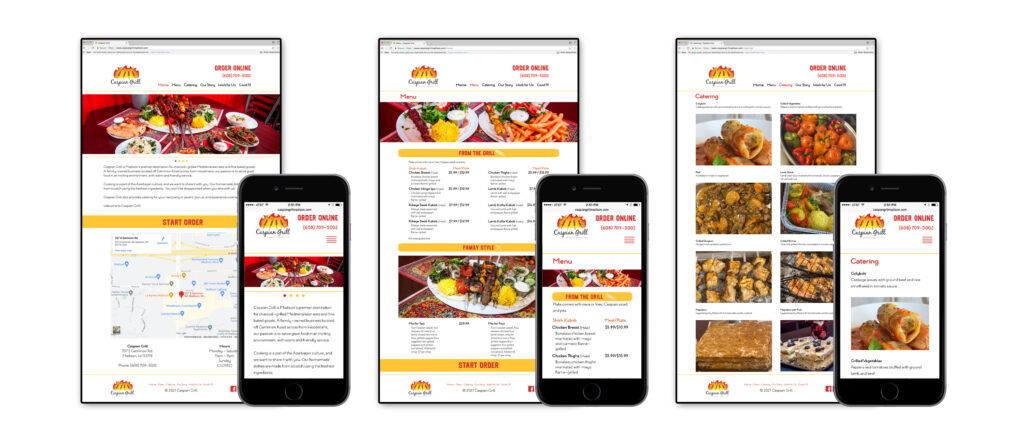
Caspian Grill was one IH Concepts’ client during the COVID-19 pandemic. We redesigned their website, improved their online ordering experience, and helped change their point-of-sale system. Since then, their website traffic has increased, and they have expanded to a second location.
For more advice, watch “Untap Your Potential with a Successful Website”
#2: Monona Bakery
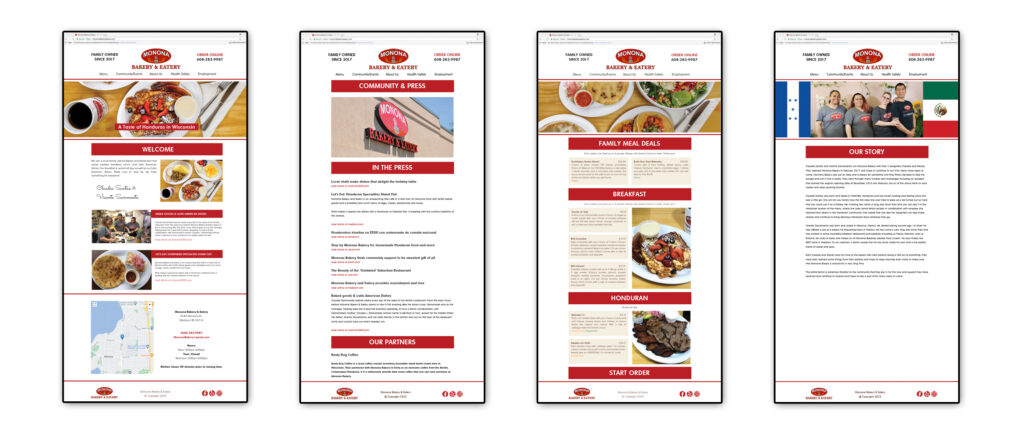
Monona Bakery originally had a Wix website that needed to be cleaner and more organized. We redesigned the website, simplified the user experience, and took photography to better showcase their products. Since launching the new website, their traffic has increased by 20 percent.
#3: Star Sushi
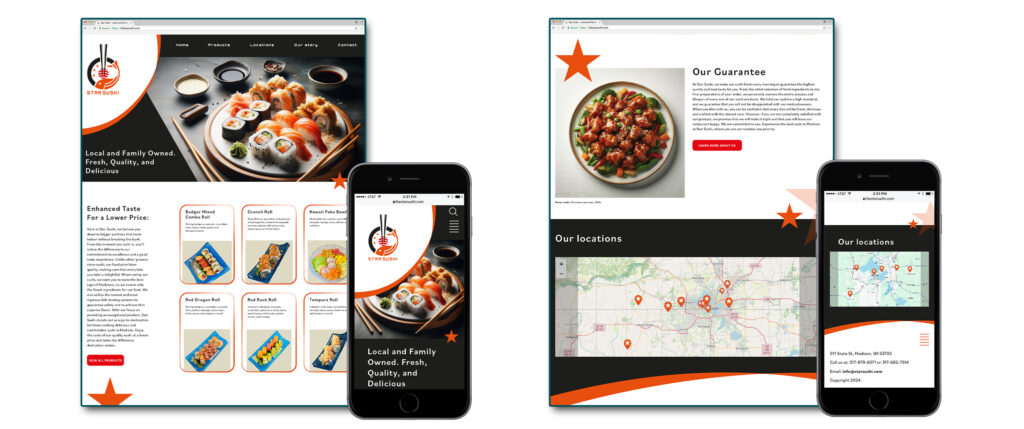
IH Concepts worked with Star Sushi to create an e-commerce website that made it easier for customers to explore and purchase their products. We created a clean website and improved the photography to showcase their products. Since launching in 2024, Star Sushi has experienced strong demand, with products selling out in multiple locations.
Final Thoughts
A restaurant website should do more than provide basic information. It should help customers find your restaurant, give them the information they need to choose your restaurant, and stay connected with your business.
Focus on making your website clear, easy to use, and up to date. When your website is built around your customers and business goals, it can become one of your most valuable tools for growing your restaurant.